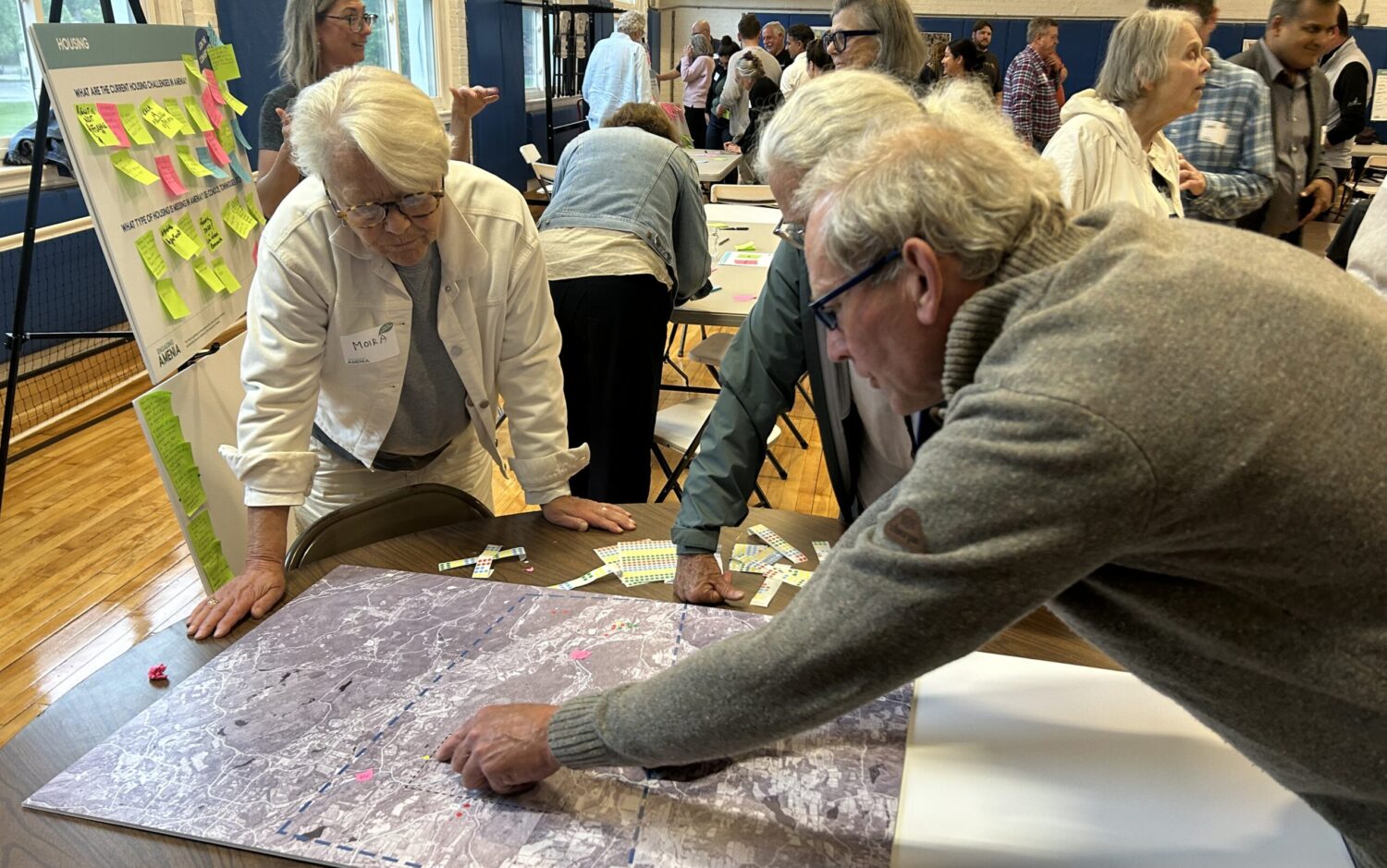
Democracy depends on people seeing themselves as participants, not clients. When citizens are invited to contribute money rather than time, voice, or responsibility, they are subtly trained to think of democracy as something they support from the outside instead of something they actively practice.
A stakeholder is someone who has standing in an institution because they share in its risks, responsibilities, and consequences—not merely in its benefits. Stakeholding implies obligation as well as entitlement. It requires presence, attention, and accountability.
This distinction is especially visible when comparing small-town rural America with large cities. The difference should not be surprising, yet it often is. Urban culture, shaped by scale and professional management, frequently does not translate well to small communities. People arriving from cities may not recognize the stakeholder culture that defines rural life. In a small town, individuals are often stakeholders not only in institutions but in one another’s lives. Each person’s actions matter because they ripple outward through the community.
This kind of linked stakeholding—where responsibility is mutual and visible—is democracy in practice. It is created through connection and maintained through participation. It is the work of bridging: building relationships strong enough to carry shared risk and shared responsibility.
Modern, professionally managed organizations tend to weaken this dynamic. Efficiency replaces interaction, and service delivery replaces participation. In such systems, people are treated as clients rather than stakeholders, and democracy becomes something administered rather than lived.
Benefits to the Organization
Sustainability: when people have a pride of ownership from having participated, they are likely to form an on-going and stable base of support.